

Yoga in India: Go Beyond the Practice, Discover its Roots
A personal perspective on a new vision of luxury wellness, where clinical insight, traditional healing wisdom
and thoughtful hospitality come together in Northern Kerala.
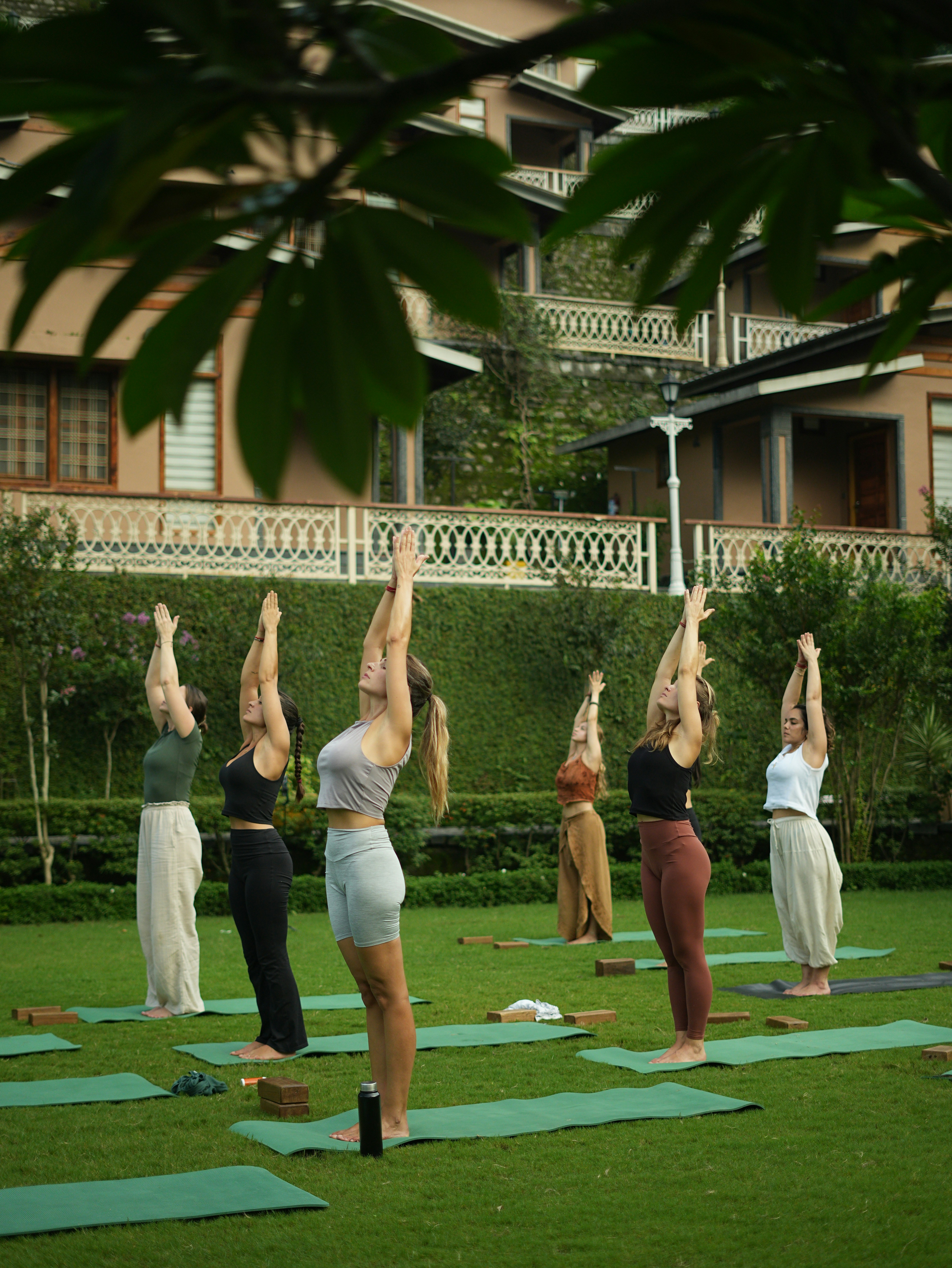
The moments has been captured by : Daxta Pandey
A journey to India can be more than a holiday. For many travelers, it can be an opportunity to discover yoga at its roots and experience the practice in a deeper, more meaningful way. India offers an opportunity to experience yoga in the land where its traditions have passed down for thousands of years. Here, yoga becomes a way to slow down, reconnect with yourself and understand the deeper meaning behind the practice.
The Origins and Evolution of Yoga
The word yoga comes from the Sanskrit root ‘Yuj’, meaning ‘to join’ or ‘to unite’. It reflects the traditional idea of bringing the mind, body and spirit into greater harmony. Yoga has its roots in ancient India and is believed to have developed 5000 years ago.
The earliest teachings can be traced to the Vedas, while later texts such as the Upanishads, Bhagavad Gita and Patanjali’s Yoga Sutras helped shaped its philosophy and practice. Over time, yoga evolved into different traditions and schools including Hatha, Ashtanga, Iyengar, Vinyasa and Kundalini. While these approaches may differ, they share the underlying idea of bringing greater harmony to the body, mind and the inner self.
Yoga is More Than Physical Postures
For me, yoga becomes truly meaningful when I look beyond the physical postures. Asana helps prepare and strengthen the body, while pranayama brings awareness to the breath. Mindfulness encourages me to my thoughts and sensations without judgement and meditation creates space for stillness and deeper self-awareness.
Together, these practices form a more complete yoga experience. The aim is not simply to become more flexible or master a difficult posture, but to develop greater awareness, balance and a sense of inner calm.
Why Practice Yoga in India
Practicing yoga in India can feel different because the practice is closely connected to the country’s spiritual and cultural traditions. Instead of being viewed only as exercise, yoga is often experienced as a way of living and understanding oneself.
I can practice alongside experienced teachers, explore traditional teachings, experience meditation and discover how yoga connects with Ayurveda, mindful living and nature. The surroundings themselves can become the part of the experience – from the sound of the temple bells and Sanskrit chants to quiet moments surrounded by greenery.
Rishikesh and the Himalayan Connection
Rishikesh is one of the world’s best-known destinations for yoga and meditation. Famously called as the ‘Yoga Capital of the World’, it is set along the sacred Ganges and surrounded by the foothills of the Himalayas. It has attracted spiritual seekers and yoga practitioners for generations.
Today, I can find everything from traditional Hatha and Ashtanga practices to meditation programmes and residential retreats. Rishikesh became internationally famous after The Beatles visited Maharishi Mahesh Yogi’s ashram in 1968, further drawing global attention to its spiritual traditions.
Yoga in Nature
One of the things I value most about practicing yoga in India is the opportunity to take the practice outdoors. I can practice by the sea, surrounded by the greenery or in the peaceful landscapes of the mountains.
Being close to the nature creates a natural sense of quiet and allows me to step away from the distractions of everyday life. Whether I choose a traditional ashram or a more comfortable wellness retreat, the setting can make the experience feel more immersive.
Finding the Right Yoga Experience
India offers a wide range of yoga experiences. I can choose an intensive yoga course, a relaxed retreat combining yoga and Ayurveda, a meditation-focused programme or simply a few guided sessions during my travels.
The experience can also be adapted to my level. Beginners can learn the foundations at their own pace while experienced practitioners can deepen their understanding of asana, pranayama, meditation and yogic philosophy.
What to Expect from a Yoga retreat in India
A typical yoga retreat may begin with an early morning practice, followed by meditation, a nourishing breakfast and wellness activities or treatments. The day may include another yoga or meditation session, time for reflection, nature walks or simply some quiet time.
Rather than filling every moment with activities, many retreats encourage you to slow down and become more mindful of how you eat, breathe, move and rest. This creates space to focus not only on your physical wellbeing but also on your physical wellbeing but also on your mental and emotional balance.
Begin Your Yoga Journey in India
Yoga in India gives you the chance to experience the practice beyond the postures – to explore its history, philosophy and connection with mindful living. Sometimes, the most meaningful part of yoga is not how far you can stretch but how deeply you can connect with yourself.
Whether you are stepping into a yoga mat for the first time or looking to deepen an established practice, India offers a setting for every journey.

Daxta Pandey
Head – Wellness Concierge at Wellbeing by Trans India. Her work brings together integrated wellness knowledge and personalised guidance to help travellers explore retreat experiences aligned with their individual interests and needs.
Other Articles

Shreyas Retreat: An Integrated Approach to Personalized Wellness
In the evolving world of luxury wellness travel, Shreyas Retreat in Bengaluru offers a perspective shaped by traditional healing, individualized care, and a close connection with nature. Rather than focusing solely on spa therapies or relaxation, the retreat brings together Ayurveda, naturopathy, Panchakarma and Traditional Chinese Medicine within a setting that encourages guests to take a more considered approach to their wellbeing. During my time at Shreyas Retreat what stood out to me was its approach to wellness as a more considered, individual journey. Surrounded by landscaped gardens and an organic vegetable patch, the retreat creates a calm environment for guests to step away from everyday demands and focus on their health. What makes the experience distinctive is the emphasis on understanding individual needs and incorporating therapeutic practices, movement, and nutrition into a more structured wellness journey. I found the setting particularly favorable to this experience. The organic vegetable garden, lush greenery, and quiet surroundings create a sense of separation from everyday demands. With 15 rooms, including 8 cottage-style accommodations and 20 treatment rooms, the retreat offers an intimate setting where therapeutic care, movement, and nutrition form part of a broader wellness experience. A Multidisciplinary Approach to Personalized Care One aspect I found noteworthy was the emphasis on understanding each guest before recommending a programme. The wellness journey begins with consultations with Ayurvedic and naturopathy doctors, followed by a case discussion involving 6 senior doctors. This process helps shape recommendations around the guest’s health history, individual needs, and wellness goals. From my perspective, this emphasis on individual assessment is particularly important for travelers seeking more than a conventional spa retreat. Shreyas brings together different healing traditions within a structured approach to wellbeing, including support for lifestyle-related and metabolic health concerns. For guests living with autoimmune or other complex medical conditions, it is important that complementary wellness practices are coordinated with their treating physicians and do not replace evidence-based medical care Traditional Therapies and Personal Experience My own treatment experience offered a closer look at the retreat’s therapeutic approach. I experienced a synchronized Abhyanga massage , followed by foot reflexology and a steam bath. The combination felt deeply relaxing and gave me an opportunity to appreciate the role that traditional therapies can play in a restorative wellness experience. Beyond these treatments, the retreat offers practices that include Panchakarma, naturopathy, acupuncture, and relaxation therapies . What I would emphasize to prospective guests is that these treatments are not necessarily suitable for everyone in the same way. Their selection and intensity should be guided by individual assessment, health history and the advice of qualified practitioners Daily Routines, Movement and Nutrition I also noticed how the daily schedule brings structure to the wellness experience. Morning naturopathy treatments may take place before breakfast, while therapeutic yoga is incorporated into the evening routine. For guests who prefer to remain physically active, the retreat also offers aerial yoga and gym facilities. Nutrition and the surrounding environment form another part of the experience. The retreat grows vegetables in its organic garden, alongside coconut and palm trees, reflecting an emphasis on fresh produce and nature-led living. The property also prepares medicines in-house, with prescriptions and guidance provided at discharge to support continuity beyond the stay. This combination of treatment, movement, nutrition, and daily routine places lifestyle practices alongside the retreat's therapeutic offerings, rather than treating them as separate elements of wellness. Recovery Beyond the Treatment Room For me, a wellness retreat should offer space not only for treatments but also for rest, movement and moments of leisure. At Shreyas, facilities such as the swimming pool, gymnasium, cricket nets, and home theatre provide alternatives between scheduled therapies. These additions help create a more rejuvenating stay, particularly for guests who prefer to balance structured wellness activities with time to unwind. I see this combination of therapeutic routines, physical activity and quieter moments in nature as an important part of the retreat’s overall appeal. The experience is not limited to the treatment room; it extends into how guests spend their day and engage with their surroundings. Who Should Consider Shreyas Retreat? Based on my experience, Shreyas Retreat is a good fit for discerning travelers who are interested in an integrative approach to wellbeing and value the opportunity to explore traditional therapies within a structured, personalized setting. It is particularly worth considering for those who prefer a quiet environment, individual consultations and a daily rhythm that combines therapeutic treatments, movement, and mindful nutrition. I would recommend it to guests who are willing to engage actively with their wellness programme rather than view the stay as a conventional luxury holiday. Those seeking support with lifestyle changes or ongoing wellbeing may appreciate its multidisciplinary approach, while anyone managing a complex medical condition should consult their treating physician before booking and ensure that any retreat programme complements, rather than replaces, their established care. Ultimately, I see Shreyas Retreat as an option for travelers who want to dedicate time to their wellbeing in a peaceful setting, with a focus on personalized attention and a more integrated view of health.
Your next chapter in wellbeing
Find the Wellness Retreat That Feels Right for You
Speak with our Wellness Concierge to explore destinations and experiences tailored to your interests, preferences and travel plans.
Speak to Our Wellness Concierge