

Kshemavana: A Naturopathy Retreat Rooted in Natural Healing
A personal perspective on a new vision of luxury wellness, where clinical insight, traditional healing wisdom
and thoughtful hospitality come together in Northern Kerala.
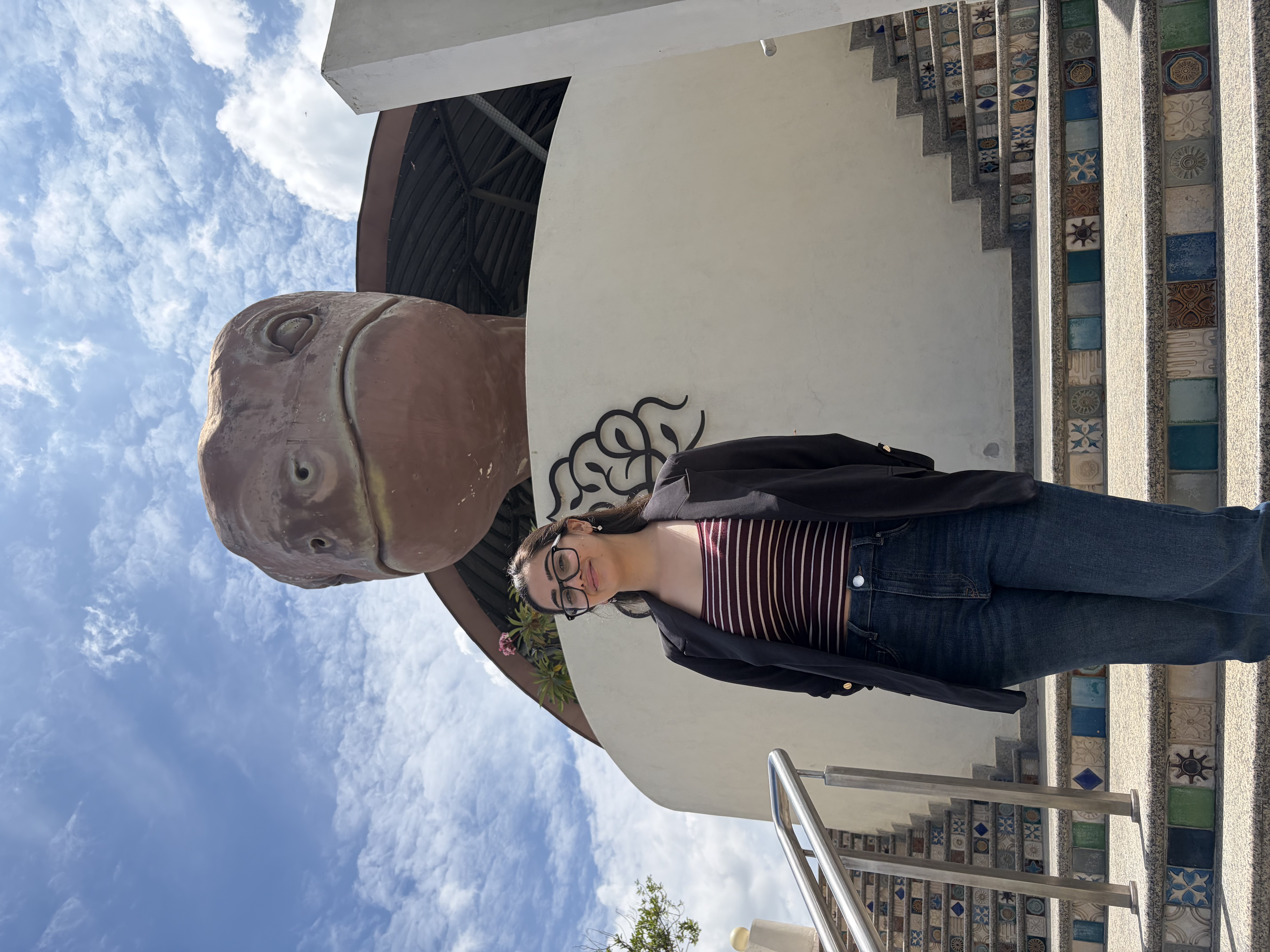
The moments has been captured by : Dr. Anjali Varshney
During my visit to Kshemavana, what stood out to me was its belief in the body's capacity to support its own healing when provided with appropriate nutrition, rest, movement, and care. Grounded in naturopathic principles, the retreat takes a lifestyle-focused approach to wellbeing, bringing together therapeutic nutrition, yoga, movement, fasting, yogic cleansing practices known as Shat Karmas, relaxation, and meditation.
Set amidst natural surroundings, Kshemavana offers a welcome change of pace from everyday urban life. What I found particularly interesting was the way the retreat combines this tranquil setting with a structured wellness programme, encouraging guests to devote time to their health while exploring habits that may support their longer-term wellbeing.
A Clinical Approach to Naturopathy
One of the aspects that distinguishes Kshemavana is its emphasis on professional guidance alongside traditional naturopathic practices. The retreat has a team of approximately 20 professionals, including naturopathy doctors, physiotherapists, and practitioners experienced in therapeutic yoga, clinical acupuncture, and dietetics.
During my assessment of its approach, I found the focus on nutrition, digestion, and lifestyle particularly noteworthy. Gut health forms an important part of the retreat's wellness philosophy, with dietary practices and therapeutic interventions incorporated into programmes designed around individual requirements. The retreat also offers lifestyle-focused support for metabolic health and other chronic health concerns. For me, the value of this approach lies in considering several aspects of daily living together rather than focusing on a single intervention. Nutrition, movement, sleep, and stress management all influence health, although the appropriate programme will depend on an individual's medical history, current condition, and clinical assessment.
Therapeutic Infrastructure and Experiences
Kshemavana's facilities support a broad range of wellness activities. The property has approximately 140 rooms, alongside a large swimming pool, gymnasium, tennis court, and dedicated spaces for therapeutic practices. Its 16 highest-category rooms, known as Vana, feature private treatment rooms as well as individual steam and sauna facilities.
I found the range of spaces worth noting because it allows the retreat to accommodate different aspects of a wellness programme, from physiotherapy and movement to relaxation and heat-based therapies. Guests can also experience aquatic yoga and Shatkriya, traditional yogic cleansing practices, in dedicated areas.
Another distinctive space is the yoga hall, known as Koorma. Inspired by the tortoise associated with the Samudra Manthan narrative in Indian tradition, its name adds a cultural dimension to the retreat's wellness environment. I also appreciated the significance of the dedicated temple area, which offers a setting for morning prayer and quiet reflection.
Taken together, these facilities create an environment in which structured therapeutic activities can sit alongside opportunities for personal reflection and rest.
Nutrition, Fasting and Natural Healing
Nutrition occupies a central place in Kshemavana's approach. The retreat follows a predominantly sattvic dietary philosophy, with meals adjusted to individual requirements. Depending on the prescribed plan, guests may be offered simple boiled preparations, fruits, salads, and other foods selected to align with their dietary needs.
What I find relevant about this approach is the emphasis on food as part of the wider wellness routine rather than as an isolated consideration. Dietary guidance, physical activity, therapeutic yoga, and adequate rest are brought together to support healthier daily habits.
Fasting may also form part of selected programmes under professional supervision. The retreat's philosophy connects fasting with metabolic processes, including autophagy, the body's mechanism for breaking down and recycling cellular components. However, the effects of fasting vary, and claims about specific health benefits should be approached carefully. Fasting is not suitable for everyone, particularly people with certain medical conditions or nutritional needs, and should be undertaken only after appropriate assessment and guidance.
From my perspective, the important consideration is that dietary restrictions and fasting should be tailored to the individual rather than treated as universal solutions. A carefully planned wellness programme should account for existing conditions, nutritional requirements, medication, and the person's overall health.
The Art of Rest, Relaxation and Being Present
Of all the spaces I encountered at Kshemavana, the meditation room was particularly memorable. Its quiet atmosphere offers a place to step away from scheduled activities and spend time without the pressure to accomplish anything.
I appreciated the simplicity of this experience. Whether a guest chooses to meditate, reflect, or sit quietly, the space allows for a pause within what can otherwise be a structured day. In a wellness setting, this kind of unhurried time can be just as important to the overall experience as the scheduled activities. For me, the meditation room captures an essential part of Kshemavana's philosophy: wellbeing involves not only what we actively do for our health, but also how we make room for rest and mental ease. Combined with the natural surroundings, it gives the retreat a restorative quality that extends beyond its formal treatments.
A Holistic Perspective on Wellness
My experience of Kshemavana left me with the impression of a retreat that places lifestyle, nutrition, and traditional naturopathic practices at the centre of its wellness offering. The professional team, range of therapeutic facilities, and nature-integrated setting create an environment in which guests can focus on their health with fewer of the distractions associated with everyday life.
What I particularly value is the emphasis on addressing several lifestyle factors together. Food, movement, rest, and stress management can all contribute to overall health, and a structured retreat can give guests the opportunity to examine these areas more closely and consider how to sustain healthier routines after returning home.
At the same time, I would distinguish between supporting the body's normal physiological processes and claiming to cure an underlying disease. Naturopathy, fasting, and other wellness interventions have different levels of evidence for different conditions, and they should not replace appropriate medical diagnosis or established treatment. Where a guest has a chronic health condition, professional assessment and coordination with their treating physician are essential.
Who Is Kshemavana Best Suited For?
Based on my experience, I would recommend Kshemavana to discerning travelers seeking a structured, nature-centred wellness retreat with a strong emphasis on naturopathy, therapeutic nutrition, movement, and rest. It may be particularly appealing to those looking to reassess their lifestyle habits, explore professionally guided dietary practices, and take a more deliberate approach to their overall wellbeing. I would also consider it for guests who prefer a retreat with a multidisciplinary professional team and dedicated facilities for therapeutic and mind-body practices. Those interested in a supervised programme involving dietary changes or fasting should discuss their health history and suitability with the retreat's medical team before arrival.
For travelers hoping to step away from everyday demands and focus on the lifestyle factors that influence their health, Kshemavana offers an opportunity to do so in a supportive, structured environment. Rather than viewing detoxification as a guaranteed route to curing disease, I would approach the retreat as a setting for guided wellness practices, healthier routines, and a more considered relationship with personal health.

Dr. Anjali Varshney
Head – Wellness Concierge at Wellbeing by Trans India. Her work brings together integrated wellness knowledge and personalised guidance to help travellers explore retreat experiences aligned with their individual interests and needs.
Other Articles

Shreyas Retreat: An Integrated Approach to Personalized Wellness
In the evolving world of luxury wellness travel, Shreyas Retreat in Bengaluru offers a perspective shaped by traditional healing, individualized care, and a close connection with nature. Rather than focusing solely on spa therapies or relaxation, the retreat brings together Ayurveda, naturopathy, Panchakarma and Traditional Chinese Medicine within a setting that encourages guests to take a more considered approach to their wellbeing. During my time at Shreyas Retreat what stood out to me was its approach to wellness as a more considered, individual journey. Surrounded by landscaped gardens and an organic vegetable patch, the retreat creates a calm environment for guests to step away from everyday demands and focus on their health. What makes the experience distinctive is the emphasis on understanding individual needs and incorporating therapeutic practices, movement, and nutrition into a more structured wellness journey. I found the setting particularly favorable to this experience. The organic vegetable garden, lush greenery, and quiet surroundings create a sense of separation from everyday demands. With 15 rooms, including 8 cottage-style accommodations and 20 treatment rooms, the retreat offers an intimate setting where therapeutic care, movement, and nutrition form part of a broader wellness experience. A Multidisciplinary Approach to Personalized Care One aspect I found noteworthy was the emphasis on understanding each guest before recommending a programme. The wellness journey begins with consultations with Ayurvedic and naturopathy doctors, followed by a case discussion involving 6 senior doctors. This process helps shape recommendations around the guest’s health history, individual needs, and wellness goals. From my perspective, this emphasis on individual assessment is particularly important for travelers seeking more than a conventional spa retreat. Shreyas brings together different healing traditions within a structured approach to wellbeing, including support for lifestyle-related and metabolic health concerns. For guests living with autoimmune or other complex medical conditions, it is important that complementary wellness practices are coordinated with their treating physicians and do not replace evidence-based medical care Traditional Therapies and Personal Experience My own treatment experience offered a closer look at the retreat’s therapeutic approach. I experienced a synchronized Abhyanga massage , followed by foot reflexology and a steam bath. The combination felt deeply relaxing and gave me an opportunity to appreciate the role that traditional therapies can play in a restorative wellness experience. Beyond these treatments, the retreat offers practices that include Panchakarma, naturopathy, acupuncture, and relaxation therapies . What I would emphasize to prospective guests is that these treatments are not necessarily suitable for everyone in the same way. Their selection and intensity should be guided by individual assessment, health history and the advice of qualified practitioners Daily Routines, Movement and Nutrition I also noticed how the daily schedule brings structure to the wellness experience. Morning naturopathy treatments may take place before breakfast, while therapeutic yoga is incorporated into the evening routine. For guests who prefer to remain physically active, the retreat also offers aerial yoga and gym facilities. Nutrition and the surrounding environment form another part of the experience. The retreat grows vegetables in its organic garden, alongside coconut and palm trees, reflecting an emphasis on fresh produce and nature-led living. The property also prepares medicines in-house, with prescriptions and guidance provided at discharge to support continuity beyond the stay. This combination of treatment, movement, nutrition, and daily routine places lifestyle practices alongside the retreat's therapeutic offerings, rather than treating them as separate elements of wellness. Recovery Beyond the Treatment Room For me, a wellness retreat should offer space not only for treatments but also for rest, movement and moments of leisure. At Shreyas, facilities such as the swimming pool, gymnasium, cricket nets, and home theatre provide alternatives between scheduled therapies. These additions help create a more rejuvenating stay, particularly for guests who prefer to balance structured wellness activities with time to unwind. I see this combination of therapeutic routines, physical activity and quieter moments in nature as an important part of the retreat’s overall appeal. The experience is not limited to the treatment room; it extends into how guests spend their day and engage with their surroundings. Who Should Consider Shreyas Retreat? Based on my experience, Shreyas Retreat is a good fit for discerning travelers who are interested in an integrative approach to wellbeing and value the opportunity to explore traditional therapies within a structured, personalized setting. It is particularly worth considering for those who prefer a quiet environment, individual consultations and a daily rhythm that combines therapeutic treatments, movement, and mindful nutrition. I would recommend it to guests who are willing to engage actively with their wellness programme rather than view the stay as a conventional luxury holiday. Those seeking support with lifestyle changes or ongoing wellbeing may appreciate its multidisciplinary approach, while anyone managing a complex medical condition should consult their treating physician before booking and ensure that any retreat programme complements, rather than replaces, their established care. Ultimately, I see Shreyas Retreat as an option for travelers who want to dedicate time to their wellbeing in a peaceful setting, with a focus on personalized attention and a more integrated view of health.
Your next chapter in wellbeing
Find the Wellness Retreat That Feels Right for You
Speak with our Wellness Concierge to explore destinations and experiences tailored to your interests, preferences and travel plans.
Speak to Our Wellness Concierge