
Ancient Wisdom, Modern Healthcare: Where Do Ayurveda and Modern Medicine Meet?
A personal perspective on a new vision of luxury wellness, where clinical insight, traditional healing wisdom
and thoughtful hospitality come together in Northern Kerala.

The moments has been captured by : Dr. Anjali Varshney
My perspective on the evolving relationship between traditional healing systems, contemporary medical science and the future of holistic well-being.
Rethinking the Way We Understand Health
Over the years, my understanding of healthcare has evolved beyond treating an illness once it appears. As a doctor, I have become increasingly interested in understanding what contributes to good health, what disrupts the body's natural functioning and how we can support individuals in maintaining their well- being over the long term.
Modern medicine has transformed healthcare through advances in diagnostics, surgery, pharmaceuticals and disease management. Traditional systems such as Ayurveda and Naturopathy, meanwhile, offer perspectives that place considerable emphasis on lifestyle, nutrition, daily routines and the relationship between the body and mind.
I find the intersection of these approaches particularly interesting. Rather than viewing them as competing systems, I believe there is value in understanding where traditional knowledge and contemporary medical science can complement one another.
Two Approaches, One Larger Objective
Modern medicine relies on scientific investigation, clinical evidence and targeted interventions to diagnose and manage disease. Its role is indispensable, particularly in emergency care, surgery, infectious diseases and complex medical conditions.
Ayurveda approaches health through an interconnected understanding of the individual. Concepts such as Prakriti, Dosha, Agni and Dinacharya form part of its traditional framework for understanding constitution, digestion, daily routines and balance.
Although these approaches are based on different frameworks, both bring attention to factors that influence health. Modern preventive medicine recognises the importance of nutrition, physical activity, sleep and metabolic health, while Ayurveda has traditionally emphasised appropriate food habits, seasonal routines and individual constitution.
These perspectives are not scientifically interchangeable, but they offer an interesting starting point for conversations about lifestyle and long-term well-being.
Nutrition and Gut Health: An Important Meeting Point
Nutrition is one of the areas where traditional knowledge and contemporary health research offer particularly interesting perspectives.
Modern nutritional science examines food through its nutrients, fibre, energy content and metabolic effects. Ayurveda introduces concepts such as Ahara, Agni, food compatibility and individual constitution, while yogic dietary principles include the ideas of Pathya and Apathya. Apathya are core principles in Ayurveda that classify diet (Ahara) and lifestyle (Vihara) as either wholesome or unwholesome for the body and mind.
In my view, nutrition needs to move beyond calorie counting and generic dietary recommendations. Individual requirements vary according to age, activity levels, metabolic health, medical history and personal preferences. Traditional dietary principles can offer useful cultural and lifestyle perspectives, but nutritional plans must continue to meet established nutritional requirements.
Digestive health is another area of growing interest. Modern research increasingly explores the gut microbiome and its relationship with immune and metabolic functions. Ayurveda has long placed emphasis on Agni, or digestive capacity, as part of its understanding of health. While these concepts should not be treated as scientific equivalents, the connection highlights the value of exploring traditional health principles through appropriate research.
An Experience That Shaped My Perspective on Integrative Wellness
During my visit to Amal Tamara, I had the opportunity to observe a wellness environment where traditional healing and lifestyle practices were brought together within a structured, doctor-led programme.
The approach incorporated Ayurveda, Naturopathy, personalized Dosha-based nutrition, yoga, meditation and therapeutic treatments. I was also interested to see medical supervision across both Ayurveda and Naturopathy, prescribed medication where required, and an in-house laboratory involved in preparing herbal medicines and oils.
What stood out to me was the coordination between the different elements of the programme. A wellness experience cannot be understood by looking at an individual treatment in isolation. Practitioner expertise, nutritional guidance, daily routines, medical oversight and the guest's health requirements all contribute to the overall experience.
It reinforced my belief that there is a meaningful difference between offering a collection of wellness therapies and designing a structured programme around the individual.
Integration Requires Scientific Responsibility
While I appreciate the possibilities of integrative healthcare, I believe it must be approached with care and discernment. Not every traditional practice is suitable for every individual, and not every wellness intervention has sufficient scientific evidence to support its claims.
Herbal formulations, Panchakarma procedures, fasting protocols and other interventions require careful consideration, particularly for individuals with existing medical conditions or those taking prescribed medication. Wellness therapies should never delay necessary medical diagnosis or replace established treatment for serious illnesses.
Meaningful integration requires qualified practitioners, appropriate health assessments, screening for contraindications and communication between healthcare professionals. It also requires an honest understanding of what each approach can and cannot offer.
India's Opportunity in Integrative Healthcare
India has a distinctive position in the global conversation around integrative healthcare. Its rich heritage of Ayurveda, Yoga and Naturopathy exists alongside an expanding network of modern hospitals, diagnostic facilities and specialized medical centres.
I see an opportunity to bring these traditions and contemporary healthcare capabilities into a more meaningful dialogue. This is particularly relevant as international travelers increasingly seek experiences that go beyond conventional holidays – programmes that help them understand their health, adopt healthier routines, manage stress and reconnect with themselves.
For India to establish a strong position in this space, wellness experiences must be built on practitioner expertise, authentic practices, individualized programmes and a willingness to evaluate interventions through scientific evidence.
Looking Ahead: Personalized, Preventive and Integrative Well-being
Healthcare is increasingly looking beyond immediate symptoms and diagnoses towards a broader understanding of long-term health. Personalized nutrition, metabolic health, physical activity, sleep, stress management and rehabilitation are becoming important parts of this conversation.
The growing interest in longevity also reflects a shift in priorities. It is no longer just about living longer, but about maintaining strength, mobility, cognitive function and independence as we age. Wellness destinations have an opportunity to contribute by offering structured programmes that respond to individual needs. However, the real value of a wellness experience should extend beyond the duration of the stay. It should encourage informed choices and sustainable habits that guests can continue when they return home.
Rooted in Heritage, Informed by Science
I believe the future of healthcare should not be about choosing between ancient wisdom and modern science. It should be about understanding what each brings to the conversation, evaluating practices responsibly and recognizing where they may complement one another. Modern medicine remains essential to the diagnosis and treatment of disease. Traditional systems offer valuable perspectives on lifestyle, daily routines and well-being, while contemporary research provides the means to evaluate their practices and limitations.
Having experienced wellness environments that bring together different approaches, I have come to appreciate that meaningful integration requires more than combining therapies. It calls for a clear understanding of the individual, the purpose of each intervention and the expertise of those delivering it. Ultimately, the goal should be to help people make more informed decisions about their health and adopt practices that support their well-being over time.
Because the future of wellbeing lies not in choosing between tradition and science, but in understanding how both can contribute responsibly to a healthier life.

Dr. Anjali Varshney
Head – Wellness Concierge at Wellbeing by Trans India. Her work brings together integrated wellness knowledge and personalised guidance to help travellers explore retreat experiences aligned with their individual interests and needs.
Other Articles

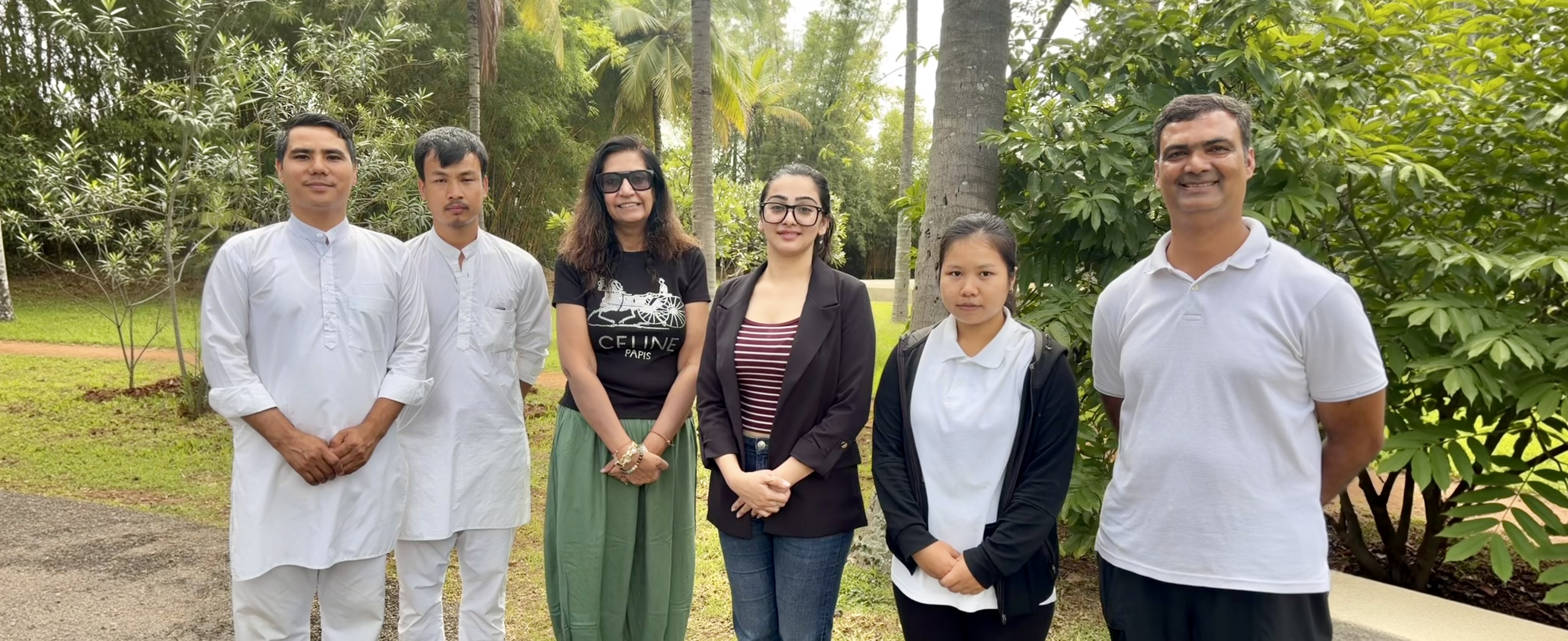
Shreyas Retreat: An Integrated Approach to Personalized Wellness
In the evolving world of luxury wellness travel, Shreyas Retreat in Bengaluru offers a perspective shaped by traditional healing, individualized care, and a close connection with nature. Rather than focusing solely on spa therapies or relaxation, the retreat brings together Ayurveda, naturopathy, Panchakarma and Traditional Chinese Medicine within a setting that encourages guests to take a more considered approach to their wellbeing. During my time at Shreyas Retreat what stood out to me was its approach to wellness as a more considered, individual journey. Surrounded by landscaped gardens and an organic vegetable patch, the retreat creates a calm environment for guests to step away from everyday demands and focus on their health. What makes the experience distinctive is the emphasis on understanding individual needs and incorporating therapeutic practices, movement, and nutrition into a more structured wellness journey. I found the setting particularly favorable to this experience. The organic vegetable garden, lush greenery, and quiet surroundings create a sense of separation from everyday demands. With 15 rooms, including 8 cottage-style accommodations and 20 treatment rooms, the retreat offers an intimate setting where therapeutic care, movement, and nutrition form part of a broader wellness experience. A Multidisciplinary Approach to Personalized Care One aspect I found noteworthy was the emphasis on understanding each guest before recommending a programme. The wellness journey begins with consultations with Ayurvedic and naturopathy doctors, followed by a case discussion involving 6 senior doctors. This process helps shape recommendations around the guest’s health history, individual needs, and wellness goals. From my perspective, this emphasis on individual assessment is particularly important for travelers seeking more than a conventional spa retreat. Shreyas brings together different healing traditions within a structured approach to wellbeing, including support for lifestyle-related and metabolic health concerns. For guests living with autoimmune or other complex medical conditions, it is important that complementary wellness practices are coordinated with their treating physicians and do not replace evidence-based medical care Traditional Therapies and Personal Experience My own treatment experience offered a closer look at the retreat’s therapeutic approach. I experienced a synchronized Abhyanga massage , followed by foot reflexology and a steam bath. The combination felt deeply relaxing and gave me an opportunity to appreciate the role that traditional therapies can play in a restorative wellness experience. Beyond these treatments, the retreat offers practices that include Panchakarma, naturopathy, acupuncture, and relaxation therapies . What I would emphasize to prospective guests is that these treatments are not necessarily suitable for everyone in the same way. Their selection and intensity should be guided by individual assessment, health history and the advice of qualified practitioners Daily Routines, Movement and Nutrition I also noticed how the daily schedule brings structure to the wellness experience. Morning naturopathy treatments may take place before breakfast, while therapeutic yoga is incorporated into the evening routine. For guests who prefer to remain physically active, the retreat also offers aerial yoga and gym facilities. Nutrition and the surrounding environment form another part of the experience. The retreat grows vegetables in its organic garden, alongside coconut and palm trees, reflecting an emphasis on fresh produce and nature-led living. The property also prepares medicines in-house, with prescriptions and guidance provided at discharge to support continuity beyond the stay. This combination of treatment, movement, nutrition, and daily routine places lifestyle practices alongside the retreat's therapeutic offerings, rather than treating them as separate elements of wellness. Recovery Beyond the Treatment Room For me, a wellness retreat should offer space not only for treatments but also for rest, movement and moments of leisure. At Shreyas, facilities such as the swimming pool, gymnasium, cricket nets, and home theatre provide alternatives between scheduled therapies. These additions help create a more rejuvenating stay, particularly for guests who prefer to balance structured wellness activities with time to unwind. I see this combination of therapeutic routines, physical activity and quieter moments in nature as an important part of the retreat’s overall appeal. The experience is not limited to the treatment room; it extends into how guests spend their day and engage with their surroundings. Who Should Consider Shreyas Retreat? Based on my experience, Shreyas Retreat is a good fit for discerning travelers who are interested in an integrative approach to wellbeing and value the opportunity to explore traditional therapies within a structured, personalized setting. It is particularly worth considering for those who prefer a quiet environment, individual consultations and a daily rhythm that combines therapeutic treatments, movement, and mindful nutrition. I would recommend it to guests who are willing to engage actively with their wellness programme rather than view the stay as a conventional luxury holiday. Those seeking support with lifestyle changes or ongoing wellbeing may appreciate its multidisciplinary approach, while anyone managing a complex medical condition should consult their treating physician before booking and ensure that any retreat programme complements, rather than replaces, their established care. Ultimately, I see Shreyas Retreat as an option for travelers who want to dedicate time to their wellbeing in a peaceful setting, with a focus on personalized attention and a more integrated view of health.
Your next chapter in wellbeing
Find the Wellness Retreat That Feels Right for You
Speak with our Wellness Concierge to explore destinations and experiences tailored to your interests, preferences and travel plans.
Speak to Our Wellness Concierge